
5 Small Things That Make People Feel Welcome in Community Spaces
Welcome isn't a moment. It's a practice.
We tend to think of welcome as something that happens at the door — a smile, a sign, a land acknowledgement at the top of a meeting. And those things matter. But welcome is sustained or broken in the small, accumulated moments that follow. The way a room is arranged. Whether someone makes eye contact when you walk in. Whether your dietary needs were considered when the food was ordered.
For anyone who has ever walked into a space and immediately felt like they didn't quite belong, you know: the details are everything.
Here are some of the small things that make a real difference.
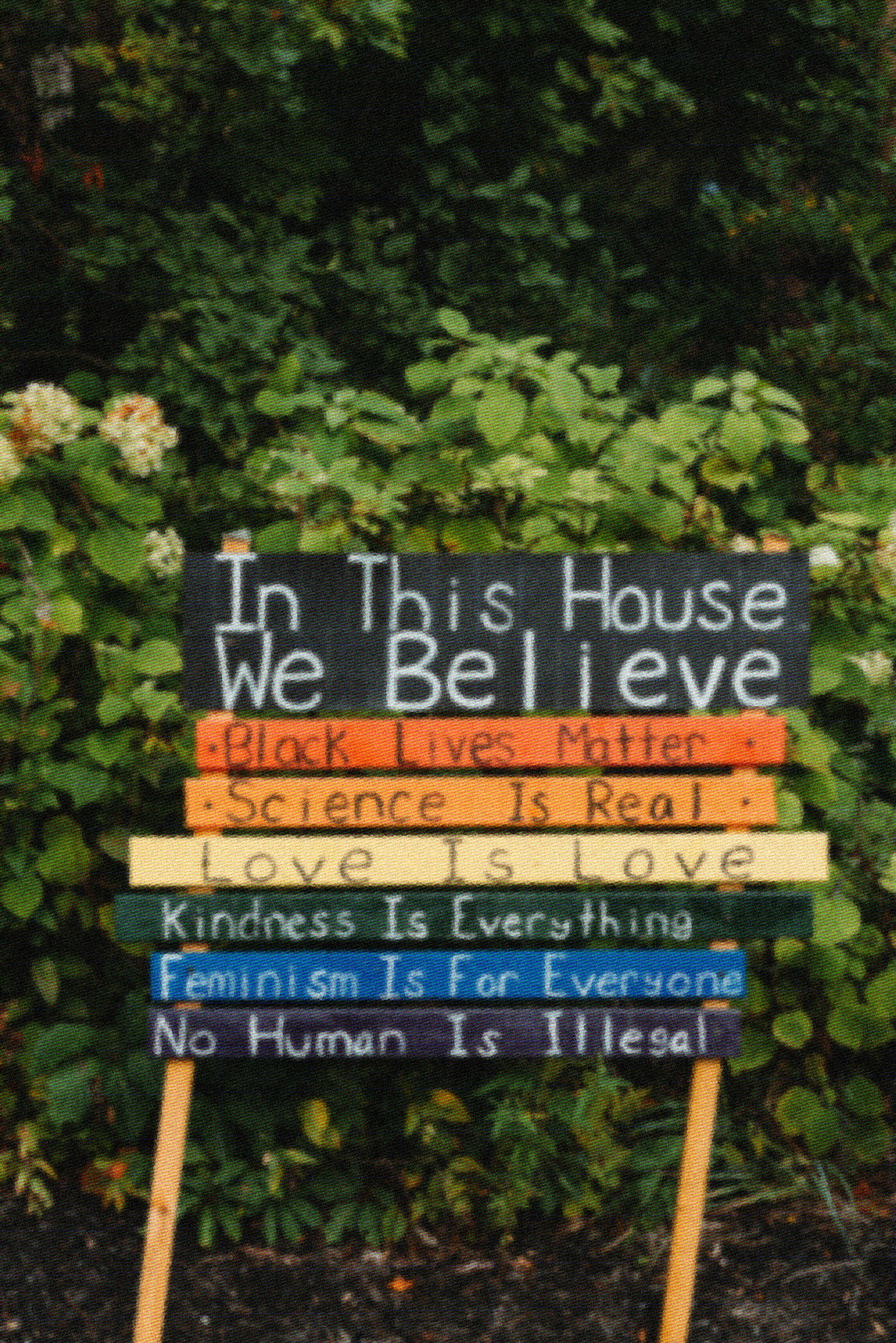
Symbology matters — and so do actions
Inclusive posters, Pride flags, and "everyone is welcome here" signage send an important signal. They tell people something about the values of a space before a single word is spoken. Don't underestimate that.
But symbols without behaviour are just decoration. The real work happens in how people are treated once they're in the room. Use inclusive language. Share your pronouns when you introduce yourself — not as a political statement, but as a normalising one. Greet people at the door. Make eye contact. Say their name.
The gap between a welcoming space and an unwelcoming one is often not the posters on the wall. It's whether anyone looked up when you walked in.
Reduce the anxiety of the unknown
For many people — especially those attending something for the first time, or who have been made to feel unwelcome in similar spaces before — the hardest part is walking through the door.
Clear, plain-language communications ahead of time go a long way. Let people know what to expect: how long it will run, what the format is, whether it will be loud or have bright lighting, what kind of participation is expected. Reducing uncertainty is an act of welcome before the event even begins.
Make room for different ways of being
People learn differently. People listen differently. People process, contribute, and participate differently — and a community space that only makes room for one style of engagement is quietly excluding everyone else.
That might mean having fidget tools available without comment. It might mean offering multiple ways to contribute — speaking, writing, drawing, moving around the room. It might mean not front-loading introductions with credentials and titles, which immediately establishes hierarchy and can make people feel like they don't measure up.
Explicitly naming at the start that different ways of participating are welcome isn't just inclusive — it's liberating for the whole room.
The power of a simple check-in
A genuine check-in at the start of a gathering — not "is everyone okay?" but a real, low-stakes invitation to share how people are arriving — changes the energy of a room. It signals that people are seen as whole humans, not just participants in a process.
It doesn't have to be elaborate. One word. A gesture. A quick go-around. The point is the pause — the moment where you communicate that what people bring with them matters.
And being available to listen after, without agenda, matters just as much.
The little things that add up
Name tags with space for pronouns. Seating arranged so no one ends up obviously on the periphery. Food that reflects the actual diversity of who you're hoping to host — not just the default. A follow-up message after that says, simply, glad you were there.
None of these things are expensive or complicated. But together, they communicate something that no amount of signage can: that you thought about the people who would be in the room before they arrived, and that you genuinely wanted them there.
That's what welcome looks like in practice.